
Mold Testing in Mozart, PA

Know What's Growing in Your Home

Professional mold testing gives you answers when you smell something off, see discoloration, or just want confirmation that your air is safe to breathe.

Hear from Our Customers

Professional Mold Testing Mozart PA

Stop Guessing About What's in Your Air

You can’t see mold spores. You can’t always smell them either. They hide behind drywall, under flooring, inside HVAC systems, and in crawl spaces you never check.

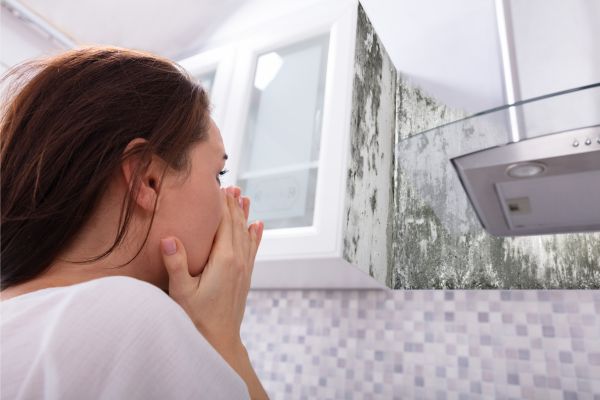
That’s the problem with mold. By the time you notice it, it’s already been growing for weeks or months. Your kids might be coughing more. You might feel like you’re always fighting allergies. Or maybe you’re selling your home and the buyer’s inspector found something during the walkthrough.

A black mold test or residential mold testing gives you real data. Not a guess. Not a hunch. Lab results that tell you exactly what type of mold is present, how much of it there is, and whether it’s affecting your indoor air quality. You get clarity fast so you can make decisions based on facts, not fear.

Mold Testing Company Mozart PA

We've Been Testing Homes Here for Years

We serve Mozart, PA, and the surrounding Bucks County area with professional mold inspection and testing services. We’re not a national franchise that parachutes in with a checklist. We know this region, the homes here, and the climate challenges that come with Pennsylvania’s rising precipitation levels.

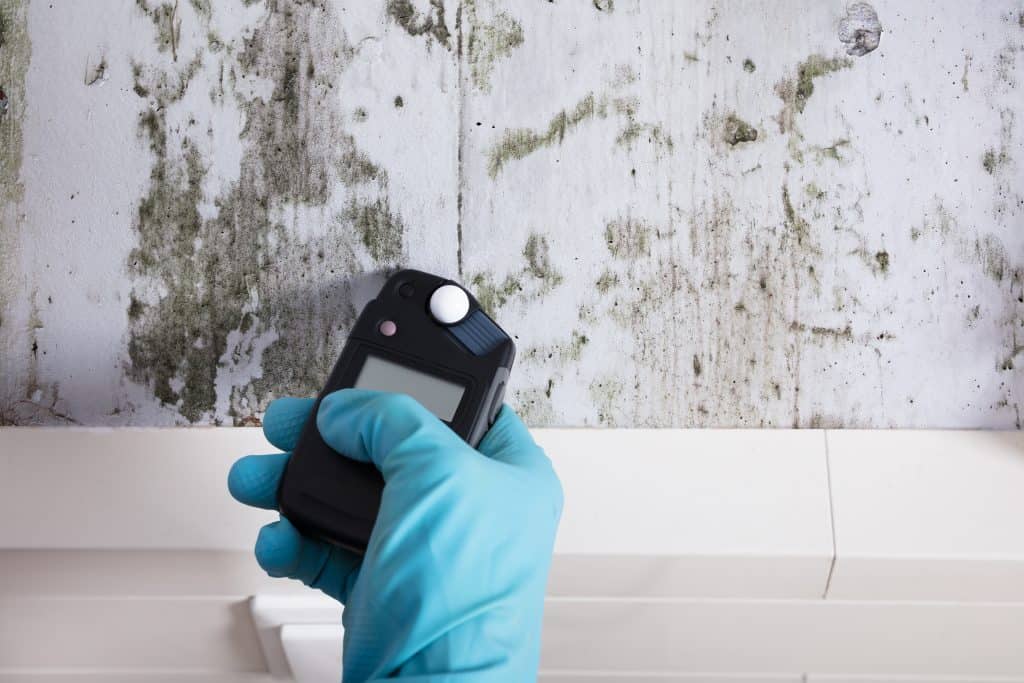
Our team uses thermal imaging, moisture meters, and accredited lab analysis to find mold you can’t see. We’ve tested thousands of homes across Bucks County, and we know what to look for in older properties, newer builds, basements prone to moisture, and homes near wooded areas where humidity sits heavy.

You’re not getting a salesperson. You’re getting someone who’s done this work long enough to spot problems before they become expensive disasters.

How Mold Testing Works Mozart

Here's What Happens During Your Inspection

We start with a visual inspection of your property. That means checking areas where moisture tends to collect: basements, bathrooms, kitchens, attics, crawl spaces, and around windows or doors. We use moisture meters to detect hidden water intrusion and thermal imaging to spot temperature differences that indicate mold growth behind walls.

Next, we collect samples. Air sampling is the most common method because it captures airborne mold spores that you’re actually breathing. We also do surface sampling if there’s visible growth, and bulk sampling if we need to test materials like drywall or insulation. Every sample gets sent to an accredited third-party lab for analysis.

You’ll receive a detailed report within a few days. It identifies the types of mold present, the concentration levels, and whether those levels are considered normal or elevated for indoor environments. If remediation is needed, we’ll walk you through what that looks like and give you a clear plan. If your air quality is fine, you’ll have documentation proving it, which is valuable for insurance claims, real estate transactions, or just your own peace of mind.

Ready to get started?

Explore More Services

About Mack's Mold Removal

Residential Mold Testing Services Mozart

What You Get with Our Testing Service

You get a thorough inspection using professional-grade equipment. That includes moisture detection tools, thermal imaging cameras, and air quality monitors. We don’t just look at the obvious spots. We check areas most homeowners never think about.

You also get lab-certified results. We don’t analyze samples in-house. Everything goes to an EPA-accredited laboratory that specializes in mold identification. You’ll know exactly what species of mold are present, whether it’s toxic black mold or a less harmful variety, and how the spore count compares to outdoor air.

Mozart sits in Bucks County, where precipitation has increased by 5% to 10% in recent years. That means more moisture, more humidity, and more mold growth potential. Homes here, especially older ones with stone foundations or poor ventilation, are particularly vulnerable. If you’ve had any water damage from burst pipes, roof leaks, or basement flooding, mold testing isn’t optional. It’s necessary. Even if your insurance covered the water cleanup, mold can develop afterward if the drying process wasn’t done correctly.

We also provide documentation that holds up for real estate transactions, insurance claims, and health consultations. If you’re buying or selling a home in Mozart, a mold check from professionals protects everyone involved.

How much does mold testing cost in Mozart, PA?

Mold testing in Pennsylvania typically starts around $300 for a basic inspection that includes a visual examination, moisture detection, and two air samples. More comprehensive testing, which might include additional air samples, surface samples, or bulk material testing, can range from $300 to $1,000 depending on the size of your home and the extent of suspected contamination.

Most homeowners in the Mozart area pay somewhere near the national average of $650 to $670 for a complete professional mold inspection with lab analysis. That price includes the on-site inspection, sample collection, third-party lab testing, and a detailed report of findings.

Your homeowner’s insurance may cover the cost if the mold resulted from a covered event like a burst pipe or storm damage. It’s worth checking your policy or calling your insurance provider before scheduling. Even if insurance doesn’t cover it, spending money upfront on testing can save you thousands later by catching problems early or confirming that no remediation is needed.

A mold inspection is a visual assessment of your property. An inspector walks through your home, checks for visible mold growth, looks for moisture problems, and identifies conditions that could lead to mold. It’s more about finding the source of the problem and understanding where mold is likely to grow.

Mold testing goes a step further. It involves collecting samples, air, surface, or bulk materials, and sending them to a lab for analysis. Testing tells you what types of mold are present, how much of it there is, and whether the spore levels in your indoor air are higher than normal.

You can have an inspection without testing, but testing without an inspection doesn’t make much sense. The inspection identifies where to test. The testing confirms what’s actually there. Most professional mold testing companies in Mozart, PA, including us, combine both services into one appointment so you get a complete picture of your indoor air quality and any mold issues in a single visit.

If you can see mold growing on walls, ceilings, or other surfaces, you probably don’t need testing to confirm it’s there. You already know you have a problem. In that case, remediation is the next step.

But if you smell something musty, you’re experiencing unexplained health symptoms like persistent coughing or allergies, or you’ve had water damage in the past and you’re not sure if mold developed afterward, testing is the right move. Testing is also critical if you’re buying or selling a home, filing an insurance claim, or you just want peace of mind that your air quality is safe.

Testing is especially important when mold is hidden. Mold grows behind drywall, under carpets, inside HVAC ducts, and in other places you can’t easily inspect. We use tools like thermal imaging and moisture meters to locate hidden mold, then collect samples to confirm what’s there. Once you have lab results, you’ll know whether remediation is necessary, how extensive the problem is, and what it’s going to take to fix it.

DIY mold test kits are available at hardware stores and online, but they have serious limitations. Most kits only test surface mold, not airborne spores, which means you’re missing the bigger picture of your indoor air quality. They also don’t tell you where the mold is coming from or how to fix the moisture problem causing it.

The lab analysis that comes with DIY kits is often less detailed than what you’d get from a professional service. You might get a result that says “mold detected,” but not what type, how much, or whether it’s a health concern. That leaves you with more questions than answers.

Professional mold testing in Mozart, PA, includes a full inspection of your property, not just a swab of one surface. An experienced inspector knows where to look, how to collect samples correctly, and how to interpret lab results in the context of your specific home and situation. You also get a written report that’s detailed enough to use for insurance claims, real estate transactions, or remediation planning. If you’re serious about understanding your mold problem, a professional inspection is worth the investment.

The on-site inspection and sample collection usually takes one to two hours, depending on the size of your home and how many areas need to be checked. If your home is larger or you’re testing multiple floors, attics, basements, and crawl spaces, it might take a bit longer.

Once samples are collected, they’re sent to an accredited lab for analysis. Most labs return results within three to five business days. Some offer rush processing for an additional fee if you need answers faster, such as for a real estate closing or an urgent health concern.

You’ll receive a comprehensive report that breaks down the types of mold found, the concentration levels, and whether those levels are considered normal or elevated for indoor environments. The report will also include recommendations for next steps, whether that’s remediation, moisture control, or confirmation that your air quality is fine. If remediation is needed, we can walk you through what that process looks like and provide a clear timeline and cost estimate.

Bucks County, including Mozart, sees a variety of mold species due to the region’s humidity and increased precipitation. The most common types found during residential mold testing include Cladosporium, Penicillium, Aspergillus, and Stachybotrys, which is the black mold people worry about most.

Cladosporium is often found on fabrics, wood surfaces, and in HVAC systems. It’s one of the most common outdoor molds, but it easily makes its way indoors. Penicillium grows on water-damaged materials like drywall, carpets, and insulation. Aspergillus is frequently found in dust and on food, but it can also colonize damp building materials. Stachybotrys, or toxic black mold, grows on materials with high cellulose content like drywall and wood, especially after prolonged water exposure.

Not all mold is toxic, but any mold growth indoors is a sign of a moisture problem that needs to be addressed. Even non-toxic molds can trigger allergies, asthma, and respiratory issues, especially in children, elderly individuals, and anyone with a compromised immune system. Professional mold testing identifies which species are present so you know exactly what you’re dealing with and whether it poses a health risk.

Other Services we provide in Mozart